
Classic literature offers hidden gems challenging to find due to rarity and out-of-print status. Explore rare book stores, literary communities, and specialized databases for overlooked titles. Combine strategic approaches like identifying interests, researching secondary sources, and joining book clubs. Lost title replacement involves textual analysis, historical research, and verification using rare book databases, with legal forms like REG 227. Understanding a work's historical context enhances its true depth and significance, revealing societal and cultural perspectives. Classic literature explores universal themes, symbolism, and human nature, captivating modern readers despite digital age challenges. Reputable services assist with lost title replacement, ensuring legal access to these literary treasures.
Classic literature is a rich trove of timeless wisdom and captivating narratives, yet many valuable works risk being overshadowed by modern bestsellers. This article delves into the art of discovering hidden gems within the canon, offering readers a fresh perspective on often-overlooked titles. By exploring lesser-known classics, we not only expand our literary horizons but also uncover diverse voices and unique storytelling techniques that have shaped the genre. We provide strategies for navigating this vast landscape, ensuring that every reader can find their next favorite novel or poem hidden among the pages of time.
- Uncovering Obscure Classics: A Journey to Undiscovered Treasures
- Exploring Genre Diversity: From Romance to Science Fiction
- Deconstructing Iconic Characters: Their Stories and Impact
- The Art of Lost Title Replacement: Strategies for Reclaiming Narrative
- Historical Context Matters: Understanding Literary Works in Their Era
- Analyzing Themes and Symbolism: Unveiling Depth in Classic Pages
- Modern Relevance: Why Classics Still Resonate Today's Readers
Uncovering Obscure Classics: A Journey to Undiscovered Treasures

Classic literature is a vast ocean teeming with hidden treasures waiting to be discovered. While renowned works often capture our attention, there exists a wealth of lesser-known gems that deserve equal appreciation. Uncovering these obscure classics can provide a profound and unique reading experience, opening doors to diverse perspectives and rich narratives often overlooked in mainstream discourse. This journey into the uncharted territories of literature involves an artful balance between scholarly research and personal curiosity.
One of the challenges in this quest is finding these lost titles—books that, despite their literary merit, have been overshadowed by more popular contemporaries. Take, for instance, the scenario of a reader searching for a specific novel, only to realize it’s become a rare find, with even online bookstores offering used copies at exorbitant prices. In such cases, a strategic approach is necessary. For example, exploring rare book stores, connecting with literary communities, or utilizing specialized databases can yield unexpected results. Furthermore, in regions like California, where vehicle registration and title services are streamlined through the Department of Motor Vehicles (DMV), there’s an analogous process for locating lost titles. Ordering duplicate titles by mail from reliable providers like Quick Auto Tags is a practical solution when dealing with rare or out-of-print books.
To embark on this literary adventure successfully, readers should adopt a methodical approach. Start by identifying genres, authors, or themes of interest and delve into secondary sources, academic journals, or online forums dedicated to classic literature. Many libraries and archives maintain extensive databases that can be invaluable resources for unearthing forgotten titles. Additionally, joining book clubs or literary societies offers opportunities to discuss obscure works and gain recommendations from fellow enthusiasts. By combining these strategies, one can navigate the intricate labyrinth of literature, discovering lost treasures that enrich personal collections and broaden intellectual horizons.
Exploring Genre Diversity: From Romance to Science Fiction

Classic literature offers a vast treasure trove of stories waiting to be discovered, but often, lesser-known gems are overshadowed by renowned titles. Exploring diverse genres within this rich literary landscape is a rewarding journey for any reader. From the romantic tales that capture hearts to the realms of science fiction that ignite imaginations, there’s a hidden treasure for every taste. This section delves into how readers can uncover these lost titles and embark on a journey through genre diversity, enriching their literary experiences.
The romance genre, with its captivating narratives of love and passion, has enchanted readers for centuries. Classics like Jane Austen’s Pride and Prejudice or Marie de La Tour’s The Count of Monte Cristo stand as timeless examples. Similarly, science fiction opens portals to fantastical worlds and futuristic visions. Isaac Asimov’s Foundation series and Arthur C. Clarke’s 2001: A Space Odyssey are iconic works that continue to inspire. To find these lost titles or discover new ones, readers can explore online archives, used bookstores, or even order duplicate titles through reliable services like Quick Auto Tags if they come across a precious but rare volume. The process of tracking down these hidden gems becomes an exciting quest, especially when using modern resources.
Diversifying one’s reading list by exploring these diverse genres offers numerous advantages. It not only broadens intellectual horizons but also provides different perspectives and storytelling techniques to appreciate. For instance, comparing the intricate character development in a romantic novel with the vast cosmic themes in science fiction can enhance critical thinking. Moreover, delving into this genre diversity allows readers to uncover lesser-known works by iconic authors, often considered masterpieces in their right. This exploration is akin to navigating a labyrinthine library, where each turn reveals a new, whispering tale waiting to be heard.
In today’s digital age, getting a new car title through Quick Auto Tags or tracking down lost titles with the help of specialized resources can streamline this process. Readers can access online databases, connect with book enthusiasts, and discover forums dedicated to these genres. This community aspect fosters a sense of camaraderie among readers, sharing insights, rare finds, and personal experiences. By embracing genre diversity, readers embark on a rich literary adventure, ensuring that the tapestry of classical literature remains vibrant and ever-evolving.
Deconstructing Iconic Characters: Their Stories and Impact

Classic literature abounds with iconic characters whose stories continue to resonate across generations. Deconstructing these figures offers a profound understanding of their enduring impact on both the literary landscape and our collective consciousness. Consider the likes of Sherlock Holmes, a character so deeply embedded in popular culture that his adventures still captivate readers today, over a century after their initial publication. Arthur Conan Doyle’s creation exemplifies the art of crafting complex, multi-dimensional characters that defy time.
A meticulous analysis of these classic personages reveals layers of depth and nuance. Their motivations, flaws, and arcs are what make them universally relatable. For instance, the enigmatic detective’s deductive reasoning and peculiar habits have become cultural touchstones. Similarly, character studies can be applied to explore the complex female figures in works like Jane Austen’s novels. Characters like Elizabeth Bennet challenge societal norms of their time, offering readers a glimpse into the evolving dynamics between men and women. These literary icons serve as timeless mirrors reflecting societal changes while also shaping our perceptions of identity and morality.
For enthusiasts delving into this realm, navigating the process of obtaining lost or forgotten works can be akin to solving a mystery in itself. Some may find themselves searching for rare first editions or original manuscripts, which necessitates reaching out to authorized business partners like Quick Auto Tags (for instance, when dealing with lost car title replacement) for assistance in locating and authenticating these treasures. As you explore the vast canon of classic literature, remember that every novel, poem, or play contains hidden gems waiting to be discovered, each contributing to a richer understanding of our shared literary heritage.
The Art of Lost Title Replacement: Strategies for Reclaiming Narrative

Uncovering forgotten narratives within classic literature involves an artful process known as lost title replacement. This strategy allows readers to experience stories that have been long overlooked or forgotten, enriching our understanding of literary history. When a book’s original title is missing or indecipherable, it becomes a challenge to identify and categorize its value accurately. However, with meticulous research and a structured approach, these hidden gems can be reclaimed, offering new insights into the author’s intent and the cultural context in which they were written.
The process begins by examining the text itself, looking for hints within the narrative that might reveal a former or intended title. This could involve analyzing themes, character arcs, or even unique plot elements that could serve as clues. For instance, a novel set in a medieval court with intricate political intrigue may have originally been titled something akin to “The Web of Royal Intrigue” based on its central theme. Once a potential title is identified, the next step is to verify its authenticity through historical records and rare book databases. Here, an authorized business partner like Quick Auto Tags, specializing in DMV lost title paperwork, can prove invaluable. They provide access to official records, ensuring the legitimacy of the recovered title.
Using REG 227 forms for title replacement is a crucial step in this process. These legal documents facilitate the transfer of ownership and registration for vehicles (metaphorically extending to literary works) with missing or damaged titles. By filling out these forms accurately, readers and scholars can legally protect their access to these reclaimed narratives, ensuring they are not lost to time again. This strategy not only benefits individual enthusiasts but also contributes to a more comprehensive understanding of literary heritage. With proper documentation in place, the lost title replacement process becomes a powerful tool for rediscovering and preserving forgotten classics, making them accessible to future generations.
Historical Context Matters: Understanding Literary Works in Their Era
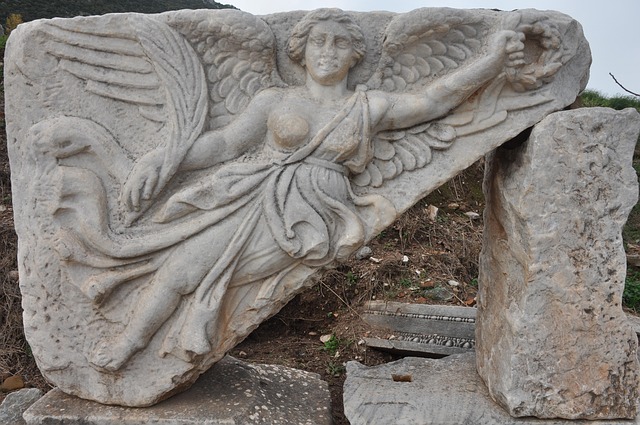
Understanding the historical context of a literary work is essential to fully appreciating its depth and significance. Classic literature, after all, is rarely an isolated artifact; it’s a mirror reflecting the societal, cultural, and political climate of its time. Consider, for instance, the works of Charles Dickens, which offer vivid depictions of Victorian England, shedding light on social issues like poverty and inequality that were prevalent during his era. Without this contextual understanding, we risk misinterpreting these timeless tales as mere stories, missing out on their critical commentary and historical value.
This principle extends beyond well-known authors and renowned works. Even lesser-known or forgotten titles can reveal fascinating insights when viewed through the lens of history. Imagine a lost novel set in ancient Greece, offering a unique perspective on the political upheaval and philosophical debates of the time. To rediscover such gems, it’s crucial to explore archives, scholarly journals, and even local libraries for overlooked texts that may have been buried beneath more celebrated works.
For instance, many California residents might be unaware of the historical significance embedded in some older literary works related to their state’s history. When faced with a lost DMV renewal notice or needing a duplicate car title, they can turn to services like Quick Auto Tags for efficient replacement. Similarly, scholars and enthusiasts alike can utilize these resources to unearth rare titles that, once understood within their historical context, enrich our collective knowledge of literature’s evolution.
Analyzing Themes and Symbolism: Unveiling Depth in Classic Pages

Classic literature is a treasure trove of hidden gems waiting to be discovered, especially when it comes to analyzing themes and symbolism. These timeless works offer profound insights into human nature, society, and the complexities of the human experience. By delving into the depths of these pages, readers can uncover layers of meaning that enrich their understanding of not only the story but also of themselves.
Themes and symbols in classic literature serve as powerful tools for exploring universal concepts such as love, loss, power, identity, and morality. For instance, Shakespeare’s Romeo and Juliet explores the theme of forbidden love, using symbolism like the feuding families to represent broader societal divisions. This timeless tale continues to resonate due to its exploration of deeply human emotions and the consequences of unyielding conflict. Similarly, in Jane Austen’s Pride and Prejudice, the setting of English country life symbolizes social hierarchy and class distinction, while the theme of pride and prejudice itself reflects the biases that shape individual perceptions.
Uncovering these hidden depths requires a keen eye for detail and an understanding of literary devices. Authors often employ symbolism, allegories, and metaphors to convey complex ideas. For example, in The Great Gatsby by F. Scott Fitzgerald, the green light at the end of Daisy’s dock symbolizes Jay Gatsby’s unattainable dream of winning her love. This iconic image encapsulates the Jazz Age’s pursuit of the American Dream and the inherent sadness of never quite reaching it. Through such symbols, classic literature offers a mirror to society, reflecting its hopes, fears, and contradictions.
When exploring these themes and symbolism, readers can benefit from expert insights and practical guidance. Organizations like Quick Auto Tags provide convenient title replacement help, ensuring that your literary journey remains seamless. Just as the Department of Motor Vehicles by mail or a lost registration sticker replacement process might require efficiency and accuracy, understanding classic literature demands a similar level of dedication and attention to detail. By combining their expertise with a reader’s curiosity, these resources enable a deeper dive into the pages, uncovering not only the lost titles but also the hidden treasures within them.
Modern Relevance: Why Classics Still Resonate Today's Readers

Classic literature, often overlooked in today’s digital landscape, continues to captivate modern readers due to its timeless themes and profound insights into the human condition. While contemporary novels offer their unique merits, there is an enduring appeal to the works of Shakespeare, Dickens, and other literary giants. These classics serve as a bridge between generations, offering perspectives and narratives that remain relevant and resonating with today’s audience.
The relevance of these older texts can be attributed to several factors. Firstly, they explore universal themes such as love, loss, power struggles, and moral dilemmas, which transcend time and cultural boundaries. For instance, Shakespeare’s Hamlet delves into the complexities of revenge and morality, while Charles Dickens’ A Tale of Two Cities captures the spirit of revolution and human resilience during turbulent times. These stories not only entertain but also provide valuable lessons on human nature and society. Furthermore, classics often feature rich language and intricate storytelling techniques that challenge and engage modern readers, fostering a deeper appreciation for literature.
In today’s fast-paced world, where attention spans are shorter and digital distractions abound, immersing oneself in a classic novel can be a refreshing escape. It encourages readers to slow down, appreciate the craft of writing, and contemplate profound ideas. This return to literary roots can be especially rewarding when seeking to understand one’s place in history and society. For those who may feel intimidated by the thought of reading classics, seeking out modern adaptations or joining book clubs focused on these works can make the experience more accessible and enjoyable. Even a brief exploration of these timeless tales can offer insights that enrich our understanding of ourselves and the world around us.
When it comes to discovering these hidden gems, some readers may face challenges in locating or obtaining certain titles, especially if they are out of print or older works with complex copyright issues. In such cases, reputable services like Quick Auto Tags can provide assistance with vehicle title replacement (referring to the process of acquiring missing or lost titles, which is often compared to navigating a ‘labyrinth’ in this context), ensuring readers can access these literary treasures legally and efficiently. The form required for this process is typically called REG 227, facilitating the transfer of ownership and legal possession of the book, just as a Department of Motor Vehicles handles vehicle registration.
By exploring diverse genres, deconstructing iconic characters, and understanding historical contexts, readers have gained a deeper appreciation for classic literature’s enduring relevance. The article’s key insights empower us to uncover hidden gems—from romance to science fiction—and discover the richness within each page. One powerful strategy, lost title replacement, offers a modern approach to reclaiming narrative, ensuring these timeless stories reach new audiences. These techniques not only enhance our reading experience but also highlight the universal themes and symbolism that continue to resonate across generations. With this newfound knowledge, readers can actively engage with classics, fostering a deeper connection to literature’s crucial role in shaping our worldviews and amplifying its relevance in today’s society.


