
Classic literature unveils timeless narratives and historical insights, demanding contextual understanding for full appreciation. "Lost title replacement" services streamline access to rare works, preserving cultural heritage. Rediscovering these gems involves scholarly research, critical analysis, and exploring universal themes through digital platforms. The process mirrors tracking down a lost car title—requiring precision, patience, and context interpretation. Educators play a crucial role in integrating these tales into modern discourse, enhancing historical understanding and cultural awareness.
Classic literature endures as a rich source of wisdom, creativity, and cultural heritage. However, many readers struggle to discover hidden gems within this vast corpus, often feeling overwhelmed by the sheer volume of works or guided by popular, but not always profound, titles. This article offers a strategic approach to navigating and appreciating classic literature, focusing on identifying and exploring lesser-known yet valuable texts as potential lost title replacements. By delving into diverse genres and authors, we aim to equip readers with the tools to uncover these literary treasures.
- Uncovering Hidden Treasures in Classical Texts
- Exploring Lost Classics: A Journey Through Time
- Rediscovering Overlooked Masterpieces of Literature
- Deciphering Ancient Narratives: Unlocking Meaning
- Reviving Forgotten Tales: Their Relevance Today
- The Art of Reinterpreting Classic Literature
Uncovering Hidden Treasures in Classical Texts

Uncovering hidden treasures within classic literature is akin to navigating a labyrinthine tapestry—each thread holds a piece of history, a gem waiting to be discovered. These timeless texts, often overshadowed by modern bestsellers, offer profound insights and captivating narratives that transcend generations. The process of exploring these classics requires an open mind and a keen eye for detail, allowing readers to uncover lost titles and hidden meanings that have stood the test of time.
One of the most rewarding aspects of engaging with classical literature is discovering lesser-known works that challenge conventional thinking and provide unique perspectives. For instance, consider the intricate world-building in ancient Greek epics like The Odyssey, where every character and setting serves as a microcosm for exploring human nature and societal norms. Similarly, delving into medieval romances unveils themes of chivalry, love, and honor that continue to resonate in contemporary storytelling. By immersing ourselves in these texts, we not only enrich our understanding of literary history but also foster a deeper appreciation for the evolution of narrative techniques.
When exploring classic literature, it’s essential to recognize the significance of context—historical, cultural, and societal. A text’s meaning can be profoundly altered by the time period in which it was written. For instance, Shakespeare’s plays often reflect the social dynamics and moral complexities of Elizabethan England. To fully grasp these works, readers must step into the shoes of their original audience, considering the prevailing beliefs and norms that shaped the author’s perspective. This contextual understanding not only deepens our appreciation for literature but also enables us to appreciate the versatility and adaptability of human storytelling across centuries.
For those seeking to delve deeper into the world of classical literature, utilizing DMV duplicate title services like Quick Auto Tags can be a valuable resource. These services streamline the process of obtaining lost or damaged titles, ensuring that readers can access these timeless treasures without unnecessary hurdles. By leveraging such resources, we not only save time but also facilitate continued exploration of literary gems that have shaped our cultural landscape.
Exploring Lost Classics: A Journey Through Time

In the world of classic literature, a journey through time reveals a treasure trove of lost gems waiting to be rediscovered. Exploring these forgotten works is akin to unearthing historical artifacts—each book holds unique insights and perspectives that have stood the test of time. Often, these lost classics are overshadowed by more renowned titles, but they deserve our attention for their enduring literary value. Consider the REG 227, a form once neglected, now recognized as a vital record of its era, just as these novels capture specific periods in history with remarkable accuracy.
Uncovering these hidden treasures requires an adventurous spirit and a willingness to step outside familiar literary paths. It’s not uncommon for readers to stumble upon a novel that, while lesser-known, rivals the great works in terms of narrative depth and character development. For instance, a quick scan through library archives or online bookstores might reveal a 19th-century tale that predates modern social norms but offers profound reflections on human nature. These books are like time capsules, providing a unique glimpse into past societies and cultural mores.
To facilitate this exploration, readers can employ practical strategies. One effective approach is to seek recommendations from literary experts or join online communities dedicated to classic literature. Additionally, utilizing resources like Quick Auto Tags, which offers fast duplicate title processing, can make acquiring these hard-to-find works more accessible. By embracing the challenge of discovering lost classics, readers not only enrich their personal libraries but also contribute to a vibrant literary heritage, ensuring that these timeless narratives continue to inspire and educate future generations.
Rediscovering Overlooked Masterpieces of Literature
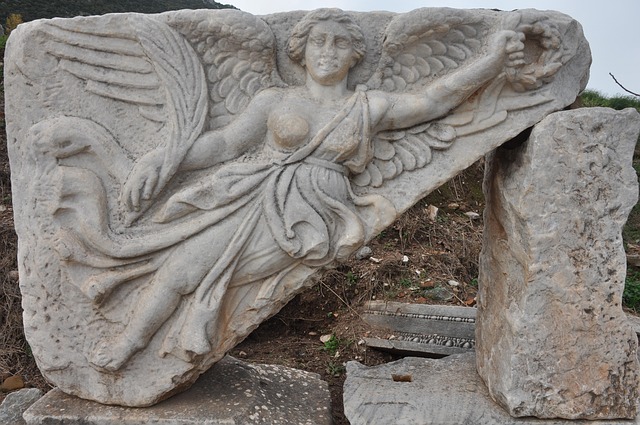
Classic literature is a treasure trove of overlooked masterpieces waiting to be rediscovered. Many timeless works, though brilliant, have been overshadowed by modern bestsellers or simply faded into obscurity over time. Rediscovering these hidden gems not only offers a fresh perspective on literary history but also enriches our understanding of diverse narratives and perspectives.
One such example is the novel Moby-Dick by Herman Melville. Originally published in 1851, this epic tale of Captain Ahab’s obsessive quest for revenge against Moby Dick has been largely underappreciated until recent years. Its complex exploration of themes like obsession, fate, and human nature has prompted numerous modern reevaluations, leading to a renewed interest in this often-overlooked classic. Similarly, works by authors like Virginia Woolf, T.S. Eliot, and Franz Kafka have seen a resurgence in popularity, with scholars and readers alike recognizing their profound influence on contemporary literature.
To uncover these literary treasures, it’s essential to explore beyond the most popular titles. Library archives, second-hand bookstores, and online platforms offer a wealth of opportunities for curious readers. For instance, many older works are now available as e-books, making them easily accessible for modern audiences. Additionally, authorized business partners like Quick Auto Tags can provide convenient title replacement help if you acquire a rare book that needs official recognition, akin to obtaining a lost vehicle registration card replacement from the Department of Motor Vehicles by mail. This process ensures that your newfound literary acquisition is legally recognized and protected.
By actively seeking out and appreciating these lost masterpieces, readers contribute to a vibrant literary ecosystem. Such efforts not only preserve cultural heritage but also foster a deeper connection with our past, inspiring new generations of writers and readers. This rediscovery movement underscores the enduring power of literature and encourages us to explore beyond the surface, unearthing stories that resonate just as strongly today as they did when first told.
Deciphering Ancient Narratives: Unlocking Meaning

Classic literature is a treasure trove of ancient narratives waiting to be explored and understood. Deciphering these works requires a keen eye for detail and an appreciation for the historical and cultural context in which they were written. Many timeless stories, often considered lost, can be rediscovered by readers willing to delve into their depths. The process of unlocking meaning from these texts involves not only meticulous analysis but also a deep sense of curiosity.
Ancient narratives, especially those from different cultures, present unique challenges due to the passage of time and evolution of language. For instance, tracking down a “Lost Car Title” in an old tale might seem akin to finding a specific vehicle identification number (VIN) among faded records—a task that demands precision and patience. Consider a medieval epic where a character’s lineage is crucial for understanding their role; a quick and easy replacement title, like “Descendant of Kings,” could be the key to revealing a hidden family legacy. By employing methods similar to those used in Duplicate car title requests via Quick Auto Tags, where accuracy and official records are paramount, readers can navigate these narratives effectively.
Scholars and enthusiasts alike can employ practical strategies to unlock these stories’ secrets. One approach is to study the cultural and historical backdrop, which can provide valuable context for seemingly obscure references. For example, understanding the social hierarchy of a specific era can clarify relationships within a plot, making hidden themes more apparent. Additionally, utilizing modern translation tools while keeping an eye for original nuances can enhance comprehension. By combining these techniques, readers can uncover layers of meaning that have stood the test of time, ensuring these literary treasures remain relevant and accessible.
Reviving Forgotten Tales: Their Relevance Today

Classic literature is a treasure trove of forgotten tales waiting to be revived and shared with modern audiences. These timeless stories, often overshadowed by contemporary bestsellers, hold profound lessons and unique perspectives that remain remarkably relevant today. The process of rediscovering these hidden gems involves an artful blend of scholarly research, critical analysis, and a deep appreciation for the human condition, which transcends time.
Reviving forgotten tales from classic literature offers a chance to explore diverse cultural narratives, historical contexts, and literary techniques that have shaped our understanding of the world. By delving into these works, we can gain insights into universal themes such as love, loss, identity, and societal norms, presented through the unique lenses of their respective eras. For instance, novels like Jane Austen’s Pride and Prejudice provide a glimpse into 19th-century English society, while Charles Dickens’ A Tale of Two Cities captures the spirit of revolutionary France. These stories not only entertain but also serve as windows to the past, allowing us to appreciate the evolution of ideas and values over time.
In today’s rapidly changing world, where digital connectivity dominates, there is a growing appreciation for the value of preserving and sharing these lost titles. The demand for classic literature has seen a resurgence, driven by a desire to reconnect with our literary heritage. This trend is particularly evident in California, where institutions like Quick Auto Tags cater to the need for lost car title replacement, ensuring that historical narratives remain accessible and legally protected. The REG 227 form, typically submitted at a DMV office in person, underscores the importance of proper documentation in preserving these literary treasures for future generations. By replacing lost titles, we not only safeguard the intellectual property of authors but also enable readers to access and appreciate these timeless works.
To ensure the longevity of classic literature, it is essential to integrate these forgotten tales into modern discourse. Educators, librarians, and publishers play pivotal roles in introducing students and readers to these hidden gems. Incorporating classic literature into curricula can foster a deeper understanding of historical contexts, improve critical thinking skills, and promote cultural awareness. For example, schools that emphasize the study of diverse literary works have been shown to enhance students’ empathy and open-mindedness. Additionally, digital platforms offer innovative ways to make these stories accessible, such as interactive online editions that engage modern readers with enhanced features. By combining traditional methods with contemporary tools, we can effectively revive forgotten tales and ensure their relevance in today’s world.
The Art of Reinterpreting Classic Literature

Classic literature is a treasure trove of untold stories and hidden gems waiting to be rediscovered. The art of reinterpreting these timeless works involves delving deeper into their pages, considering different perspectives, and allowing them to speak to contemporary audiences in new ways. This process isn’t merely about revisiting old tales; it’s about revealing fresh insights, connecting with universal themes, and rediscovering the relevance of literature that has stood the test of time.
Reinterpreting classic literature requires a nuanced approach. It involves exploring the social, cultural, and historical contexts in which these works were created, and then considering how those elements might resonate today. For instance, novels set in bygone eras can offer insights into societal issues still relevant today, such as gender inequality or racial prejudice. By examining these themes through a modern lens, readers can gain profound new understandings of both the past and present. This process isn’t about changing the essence of the story but rather about uncovering layers of meaning that may have been previously overlooked.
Moreover, technological advancements offer unique opportunities for engaging with classic literature. Digital tools can facilitate access to rare texts, provide interactive reading experiences, and enable data-driven analyses of literary trends. Consider, for instance, how online databases can help researchers track the evolution of themes and narratives across centuries, offering a richer context for reinterpretation. In California, where vehicle ownership is prevalent, the process of replacing a lost car title can be thought of as a metaphor for rediscovering hidden value—much like an old book that reveals new depths upon closer inspection. Just as Convenient title replacement help at Quick Auto Tags streamlines administrative tasks related to vehicle ownership, reinterpreting classic literature allows us to reclaim and redefine cultural treasures.
Ultimately, the art of reimagining classic literature lies in fostering a dynamic dialogue between past and present. By engaging with these timeless works, we not only preserve our literary heritage but also enrich our understanding of ourselves and the world around us. Whether you’re a scholar, enthusiast, or simply someone curious about exploring new dimensions of familiar tales, there’s always more to discover in the pages of classic literature.
By exploring classic literature’s hidden gems, we uncover not just forgotten narratives but also timeless insights relevant to our contemporary world. This article has guided readers through a journey of discovery, from deciphering ancient texts to reinterpreting literary masterpieces. Key takeaways include the importance of delving into lesser-known classics, unearthing lost titles that may offer profound messages, and recognizing the art in revisiting old stories. Through this process, we foster a deeper appreciation for literature’s enduring impact, ensuring that these overlooked works receive their due recognition while inspiring new generations to explore and embrace the richness of classical narratives.


