
Revitalizing lost classics demands strategic approaches including modern marketing, format adaptation, and careful branding. Verify ownership and create a strong brand identity. For lost title replacement, follow legal procedures, consult experts, and use specialized services. Utilize social media, influencers, and events for promotion. Update content while respecting heritage. Engage communities through market research, partnerships, and incentives. Streamline lost vehicle title replacements promptly.
In the ever-evolving media landscape, the concept of revisiting and re-releasing classic content has gained significant traction. As audiences yearn for nostalgic experiences, the opportunity to breathe new life into a lost title is both intriguing and lucrative. However, scheduling a successful re-release requires meticulous planning and strategic thinking. This article delves into the art of revitalizing a forgotten masterpiece, offering a comprehensive guide to navigate the process effectively. We’ll explore essential considerations, from understanding your target audience to mastering marketing strategies, ensuring a seamless return for your lost title replacement.
- Assess the Lost Classic's Relevance in Today's Market
- Gather Resources for Title Replacement and Branding
- Legal Considerations: Copyrights, Trademarks & More
- Develop a Marketing Strategy for a Fresh Launch
- Create or Update Content to Meet Modern Audiences' Needs
- Plan Promotional Activities and Community Engagement
Assess the Lost Classic's Relevance in Today's Market

In reassessing a lost classic for a modern re-release, it’s crucial to examine its resonance within contemporary markets. Today’s audiences have diverse tastes and preferences shaped by evolving cultural landscapes and technological advancements. A once-popular title might not inherently translate to instant success in today’s competitive environment without a strategic approach to relevance. The key lies in understanding how to adapt and present the classic’s enduring value in a modern context, ensuring its appeal extends beyond nostalgia.
Relevance involves more than just nostalgia; it entails aligning the content with current trends and consumer behaviors. For instance, leveraging digital distribution platforms offers opportunities to reach broader audiences who may not have discovered the original work. Streaming services and online bookstores have democratized access to media, allowing titles to find new fans years after their initial release. In this digital age, a lost classic can be revitalized by employing modern marketing strategies, such as social media campaigns and influencer collaborations, to generate buzz and attract a younger demographic.
Consider the case of classic literature being adapted for contemporary audiences through graphic novels or podcasts. These formats not only preserve the original narrative but also introduce it to new generations who may not have engaged with traditional media forms. Similarly, in the automotive industry, Quick Auto Tags offers a service like Duplicate Car Title Request via their platform, where customers can obtain a replacement title by mail, conveniently using a form known as REG 227. This modern solution mirrors the need for accessible and efficient services to cater to today’s consumers.
To ensure your lost classic maintains relevance, consider collaborating with contemporary creators or adapting it for new media formats. Additionally, utilizing traditional promotional channels alongside digital strategies can help bridge the gap between past and present audiences. For example, a campaign that incorporates both vintage-style print ads and targeted online advertisements could create a sense of anticipation and draw in diverse viewers. This approach leverages the power of modern tools like the lost title bond process (which can be streamlined through services like the Department of Motor Vehicles by mail) while paying homage to the classic’s original allure, ultimately fostering a vibrant second life for the work.
Gather Resources for Title Replacement and Branding

Releasing a lost classic requires meticulous planning, and one of the critical initial steps is gathering resources for effective title replacement and branding. This process involves careful navigation through legal procedures and strategic marketing to ensure your re-release captures the essence of the original while appealing to modern audiences. The primary focus here is on securing a lost title replacement, which can be a complex task but is crucial for legitimizing your re-entry into the market.
When dealing with a lost car title, the first step is to verify your ownership through alternative documentation. This may include registration cards, purchase agreements, or even personal testimony. While each jurisdiction has its own set of guidelines for lost registration card replacement, maintaining comprehensive records throughout the vehicle’s lifecycle can significantly streamline this process. In some cases, a professional service like Quick Auto Tags can assist with accurate and swift replacement title procedures, ensuring you meet all legal requirements without hassle.
Once the ownership is established, it’s time to turn attention to branding. A strong brand identity helps in creating a unique position for your re-released classic in today’s market. This involves crafting a compelling narrative around the vehicle’s history, its relevance in pop culture, or any distinctive features that set it apart. For instance, if your lost title involved a legendary race car or a vehicle owned by a cultural icon, these aspects can be leveraged to create buzz and attract enthusiasts. Utilizing social media platforms and collaborating with automotive influencers can help in generating interest, especially when combined with high-quality visuals and engaging content that highlight the restoration process and unique features.
Legal Considerations: Copyrights, Trademarks & More

Re-releasing a lost classic requires careful navigation through various legal considerations, especially when it comes to titles, registrations, and trademarks. In many states, like California, losing essential vehicle documents such as registration stickers or DMV renewal notices can be frustrating, but there are established procedures to replace them. The primary focus is on ensuring the legality and authenticity of your new title, protecting both your rights as the owner and those of potential buyers.
Copyrights and trademarks play a significant role in this process, particularly when dealing with classic titles that may have cultural or historical value. It’s crucial to understand that while you can order a duplicate title from places like Quick Auto Tags, which offers a hassle-free process, the underlying legal framework must be respected. For instance, if your lost registration sticker replacement is due to theft or damage, you’ll need to report it to local authorities and possibly provide evidence of ownership before initiating the replacement process.
California, with its robust vehicle registration system, provides clear guidelines for lost DMV renewal notices and registration stickers. The process typically involves filling out a request form, submitting necessary documents, and paying a fee. However, if your classic title is unique or rare, additional verification methods might be required to establish ownership. In such cases, consulting with legal experts specializing in intellectual property rights related to vehicles can offer valuable insights into navigating the complexities of copyright and trademark laws.
Remember that while replacing a lost registration sticker or DMV renewal notice is usually straightforward, each state has its own set of rules and regulations. Always seek professional advice when dealing with titles and documents of historical significance to ensure compliance with legal requirements and avoid potential disputes in the future.
Develop a Marketing Strategy for a Fresh Launch

A successful re-release of a lost classic requires a robust marketing strategy to capture new audiences while resonating with old fans. First, leverage social media platforms like Instagram, Facebook, and Twitter to build anticipation using targeted ads and engaging content. Share behind-the-scenes footage, original trailers, and interviews with key cast members or creators to stimulate nostalgia. Utilize hashtags related to the film’s genre and target demographic for increased visibility (#LostClassics, #Nostalgia, etc.).
Next, partner with influencers in the film, gaming, or pop culture niches who can advocate for the film’s re-release. Their endorsements carry weight and can introduce your classic to new audiences who appreciate its unique value. Consider hosting virtual events, such as Q&A sessions with creators or watch parties, to foster community engagement and generate buzz around the film’s return.
Additionally, replace any lost DMV renewal notices in California or other relevant regions by utilizing specialized services like Quick Auto Tags. This ensures that legal documents are up-to-date, providing peace of mind for fans eager to support the re-release. The process is straightforward; you can get a new car title through their services promptly, ensuring your audience has no hurdles in accessing the content.
Data shows that films with strong marketing campaigns during their re-releases often see significant boosts in box office revenue and streaming numbers. For instance, classic horror movies that have been digitally restored and released on streaming platforms have experienced a surge in popularity, attracting younger viewers who appreciate their timeless storytelling. By replacing lost registration sticker replacements—whether for a film or official documents—and employing strategic marketing tactics, you can ensure your re-release reaches its intended audience effectively.
Create or Update Content to Meet Modern Audiences' Needs
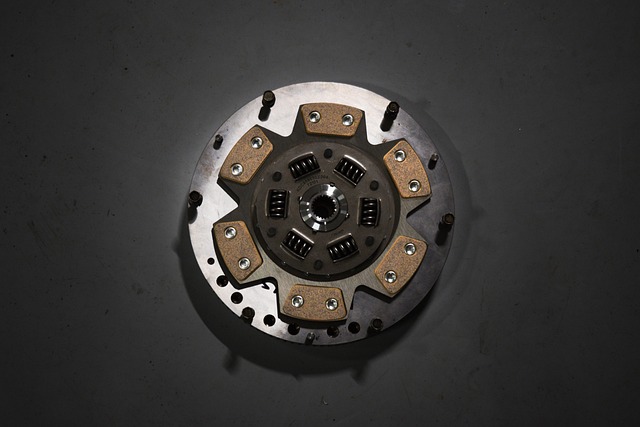
Re-releasing a lost classic requires more than just filing a form; it’s an art of connecting with modern audiences while respecting the past. In today’s digital age, where streaming services have replaced physical media, many older films and titles risk being forgotten or overlooked. When it comes to revamping your lost title for a re-release, the focus should be on creating content that resonates with contemporary viewers without losing its original charm. This process involves a delicate balance between preserving the film’s heritage and enhancing its accessibility for new generations.
One of the most crucial steps is updating the visual and auditory elements to match modern standards. This might include improving image quality, remastering sound effects and dialogue, or even integrating modern technology such as enhanced color grading and sound design. For instance, a black-and-white classic could benefit from colorization, allowing new audiences to appreciate its aesthetic value while also providing a fresh viewing experience. Similarly, updating the audio can make the film more engaging for today’s viewers, ensuring it remains competitive in a crowded market.
To ensure your lost title replacement is successful, consider collaborating with experts in restoration and digital mastering. The Department of Motor Vehicles (DMV) by mail process for replacing your lost car title can serve as a metaphor for this creative endeavor—you’re navigating a path that blends tradition and innovation. For example, Quick Auto Tags offers fast duplicate title processing, symbolizing the modern approach to streamlining administrative tasks while maintaining accuracy. By utilizing these updated versions and marketing them effectively, you can create a bridge between past and present audiences, ensuring your film’s legacy continues to thrive.
Plan Promotional Activities and Community Engagement

Re-releasing a lost classic requires more than just obtaining a replacement title; it involves a strategic plan for promotional activities and community engagement to create a buzz around your re-release. Start by identifying key target audiences through market research, leveraging social media platforms to build anticipation, and collaborating with influencers or industry experts who can champion your cause. Consider hosting exclusive screenings, Q&A sessions, or limited-edition events that offer unique insights into the film’s journey and restoration process.
Effective promotional activities also include partnering with relevant organizations, such as film festivals, museums, or cultural centers, to showcase your lost title replacement as a cinematic treasure worth rediscovering. Utilize email marketing campaigns to reach out to existing fans and enthusiasts, offering them early access or exclusive merchandise related to the re-release. Additionally, leveraging press releases and reaching out to industry publications can generate media coverage, further amplifying your efforts.
Community engagement is crucial for building a dedicated fan base. Engage with viewers through online forums, social media groups, or local community gatherings, encouraging feedback and sharing personal connections to the film. Offer incentives such as autographed memorabilia, behind-the-scenes content, or personalized experiences to foster loyalty and create a sense of ownership within your audience. Remember, successful promotional activities stem from genuine interaction and appreciation for your community’s role in preserving cinematic history.
When it comes to replacing lost vehicle titles or registration stickers, the process can be streamlined with the help of specialized services like Quick Auto Tags. By adhering to legal requirements set by the Department of Motor Vehicles (DMV) by mail, you ensure a secure and efficient replacement process. Data suggests that timely action is vital; promptly addressing lost documentation prevents potential legal issues and ensures your vehicle remains legally registered and insurable.
By diligently assessing the relevance of your lost classic in today’s market, gathering essential resources for title replacement and branding, navigating legal considerations such as copyrights and trademarks, developing a robust marketing strategy, creating or updating content to cater to modern audiences, and meticulously planning promotional activities and community engagement, you position yourself for a successful re-release. These strategic steps, guided by the insights in this authoritative article, ensure your lost title replacement not only catches up with the times but also captivates new generations of enthusiasts. Embrace these actionable takeaways as your roadmap to revive and revitalize your classic work.


